
Pool Tips ·
When should I start getting bids to put an in-ground pool in so I can swim this summer?
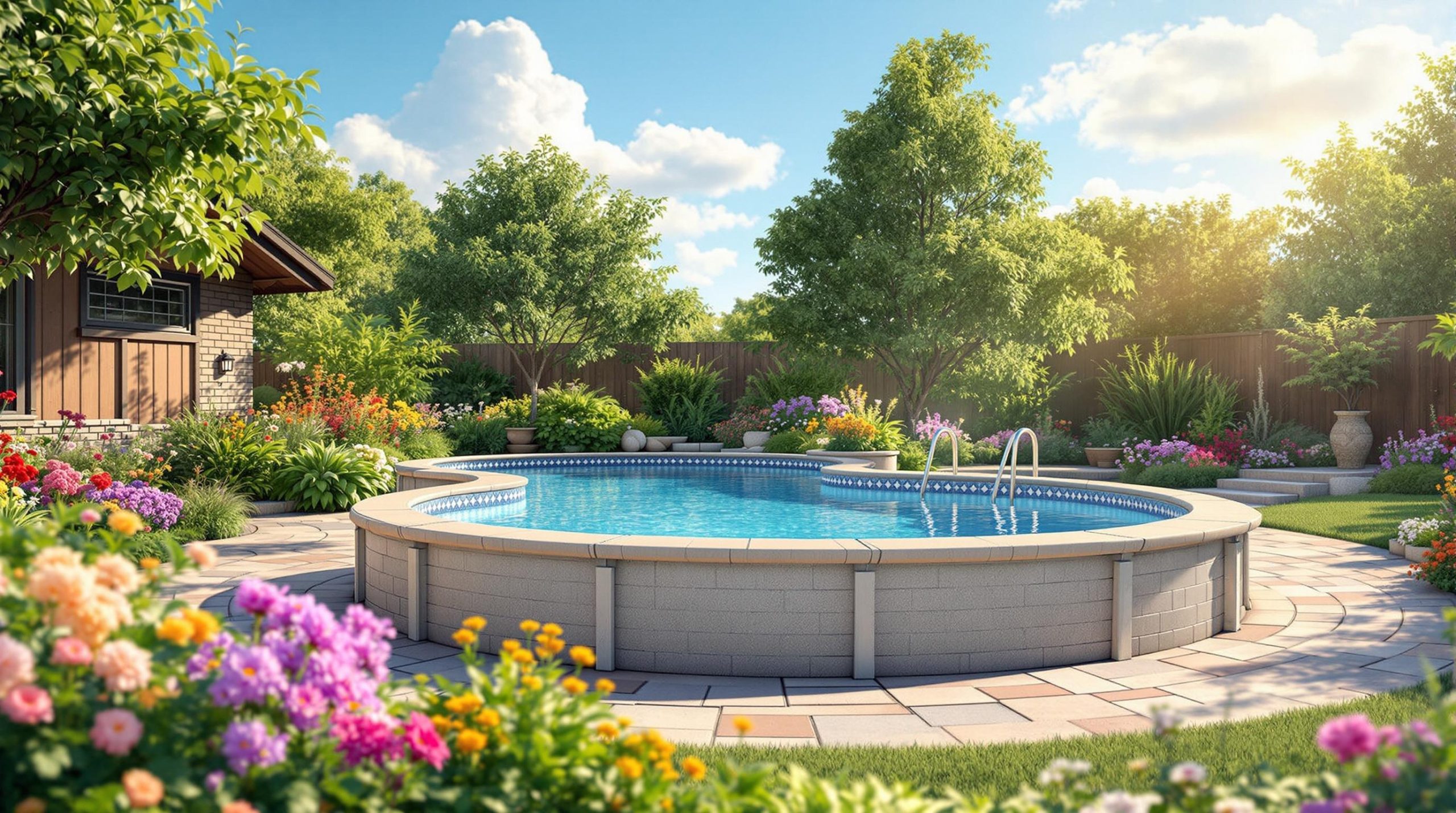
If you want to swim this summer, start planning your in-ground pool installation 6-12 months in advance. Here's a quick breakdown:
- Timeline: Pool installations typically take 8-12 weeks, but concrete pools can take 3-6 months due to curing.
- Best Time for Bids: For a summer-ready pool, start gathering contractor bids in fall or winter (September to February).
- Permit Approvals: Allow 2-6 weeks for permits, depending on local regulations.
- Material Lead Times: Fiberglass pools are fastest (3-6 weeks), while vinyl takes 4-8 weeks, and concrete requires the most time (8-12+ weeks).
Start early to avoid delays from weather, permits, or contractor schedules. Finalize your contractor by March 1, 2025, to stay on track for summer swimming.
How Long Does It Take To Build A Swimming Pool?
Pool Installation Time Requirements
Knowing how long it takes to install a pool can help you plan better and set realistic expectations. The timeline for an in-ground pool project depends on the type of pool you choose and local conditions. The estimates below assume ideal circumstances, but regional factors like weather can make a big difference.
Project Timeline Breakdown
Here’s a quick breakdown of the typical pool installation process:
| Phase | Duration | Key Activities |
|---|---|---|
| Excavation | 1-2 weeks | Preparing the site, digging |
| Pool Structure | 1-4 weeks | Installing or building the shell |
| Utilities | 1-2 weeks | Plumbing, electrical setup |
| Finishing | 1-3 weeks | Decking, landscaping |
The materials you select play a big role in how long the project takes. Fiberglass pools are usually the quickest, taking about 3-6 weeks. On the other hand, vinyl liner pools can take anywhere from 4-8 weeks to complete.
Weather Impact by Region
Weather can be a game-changer when it comes to pool construction. In colder regions, winter can cause delays due to frozen ground and low temperatures, which make excavation and concrete work harder. Similarly, heavy spring rains can slow down outdoor construction.
To avoid delays, many experts recommend starting construction in late winter or early spring. This timing often beats the summer rush and ensures your pool is ready for swimming season. Here are a few strategies to help minimize weather-related setbacks:
- Schedule excavation during dry months and concrete work when temperatures are moderate.
- Plan plumbing and electrical work for days when outdoor conditions might not cooperate.
- Add a buffer of 1-3 weeks if building during traditionally rainy seasons.
Factoring in these timeframes and weather considerations will help you prepare for contractor bids and keep your project on track.
Best Times to Get Pool Bids
The best time to request pool bids aligns with the 6-12 month planning period mentioned earlier, while also considering the specific needs of different materials. For pools you want ready by June, start gathering bids in September or October of the previous year. Early bids also help you stay on track with permit timelines, which we'll discuss later.
Bid Timing by Pool Material
Each pool type has unique construction requirements, which means the timing for bids can vary. Here's a quick guide based on the material you're considering:
| Pool Type | Bid Start Window | Key Points |
|---|---|---|
| Fiberglass | February-March | Known for quicker availability |
| Vinyl | January-February | Offers more design options |
| Concrete | November-January | Provides the most customization |
Avoiding Construction Delays
To steer clear of summer bottlenecks and keep your project on schedule, follow these practical tips:
Book Contractors Early
Requesting bids in the fall or winter often leads to better pricing and contractor availability. Most contractors fill their schedules 3-6 months in advance, so:
- Collect at least three bids with your design specifications ready to go.
- Share your finalized design preferences upfront to avoid miscommunication.
Factor in Weather
Regional weather plays a big role in scheduling. In northern areas, plan around ground thawing. In southern regions, summer heat can complicate concrete curing, so timing is key.
Manage Supply Chains
Ask about material lead times when comparing bids. Work with contractors who have reliable supplier connections and can provide clear timelines for your chosen pool type.
Getting Ready for Contractor Bids
Before requesting bids from contractors, make sure you've gathered the necessary documents. This preparation helps ensure contractors can provide accurate and detailed proposals.
Required Paperwork
Having the right paperwork on hand is crucial for clear communication and precise quotes. Here's what you'll need:
| Document Type | Purpose |
|---|---|
| Property Survey | Defines property boundaries and easements |
| Soil Test Results | Assesses ground stability |
| Utility Maps | Shows locations of underground lines |
| HOA Guidelines | Lists neighborhood restrictions |
| Zoning Regulations | Explains local building requirements |
Make sure to provide contractors with exact project details, including dimensions, specific features (such as waterfalls or heating systems), and your material preferences. This ensures all bids are aligned with the same project scope.
How to Compare Bids
When reviewing contractor bids, don’t just focus on the lowest price. Here are the key aspects to evaluate:
Contractor Credentials
Verify that each contractor has the proper pool construction license and valid insurance.
Scope Breakdown
A well-prepared bid should include:
- Details on materials and equipment brands
- Clear timelines for each project phase
- Information on who handles permits
Red Flags to Watch For
Be cautious of bids with unusually low prices, vague timelines, or incomplete warranty details.
"The most common mistake homeowners make is choosing a contractor based solely on price. A comprehensive bid should include detailed specifications for materials, equipment brands, and construction methods to ensure you're comparing apples to apples."
Pool Permit Process
Once you've finalized contractor bids, it's time to tackle permits - an important step before construction begins. Most permits take about 2–3 weeks for approval, but planning ahead is key to avoiding delays and staying on track for your summer timeline.
Local Permit Rules
To navigate the permit process smoothly, you'll need specific documents that meet local requirements. Here's a quick breakdown:
| Document | Key Requirements |
|---|---|
| Site Plan | 5 ft setbacks, 10 ft from septic |
| Safety Plans | Fencing/barrier specifications |
| Drainage | Measures to prevent runoff |
Tips to Speed Up Permit Approval
Want to keep things moving and hit your summer swimming goal? Try these strategies:
Pre-Application Meeting
Set up a meeting with your local permitting office before submitting your application. This helps identify potential issues early, saving time and avoiding unexpected delays.
Take Advantage of Online Systems
Many local offices offer digital submission platforms that can significantly cut down processing time. Benefits include:
- Real-time tracking of your application
- Automated routing of documents
- Quicker communication with reviewers
Plan Inspections in Advance
Schedule these inspections early to ensure everything aligns with your permit's safety requirements:
- Pre-construction foundation review
- Electrical bonding check
- Plumbing pressure test
- Final safety inspection
These steps help ensure compliance with your approved safety plans and keep your project aligned with earlier contractor timelines.
If delays arise, stay proactive. Keep in regular contact with permit reviewers and respond quickly to any requests for additional documents or clarifications.
Wrapping It Up
To boost your chances of a smooth summer pool installation, stick to a clear timeline and plan ahead:
For those reading in February 2025: Aim to finalize your contractor by March 1 to stay on track for summer deadlines. Fiberglass pools generally take less time to install (3-6 weeks) compared to concrete ones (3-6 months), but steady progress through bidding, permits, and construction phases is key.
Remember, quality matters more than speed. A properly built pool will last for years, so avoid rushing or cutting corners just to meet a deadline. Staying actively involved in each step of the process can make a big difference.
Once your timeline is sorted, make communication with your contractor a top priority throughout the project.
"The most common mistake homeowners make is choosing a contractor based solely on price. A comprehensive bid should include detailed specifications for materials, equipment brands, and construction methods to ensure you're comparing apples to apples."
FAQs
How long does it take to build a pool from start to finish?
Installing an inground pool usually takes 8–12 weeks. The exact time depends on the type of pool you choose:
| Pool Type | Installation Time |
|---|---|
| Fiberglass | 4-6 weeks |
| Vinyl liner | 4-8 weeks |
| Concrete/Gunite | 8-12+ weeks |
Factors like weather conditions and permit approvals often cause delays. For more details on weather-related challenges, refer to the 'Weather Impact by Region' section.
How fast can an inground pool be installed?
Under ideal circumstances, here’s how quickly pools can be installed:
- Fiberglass pools: As fast as 3-4 weeks
- Vinyl liner pools: In as little as 10 days, if everything aligns perfectly
That said, these shorter timelines are rare. You’ll need approved permits, good weather, readily available materials, and skilled contractors to meet them.
Keep in mind: Permits alone can take 2–6 weeks, making it nearly impossible to finish any project in under 30 days. For tips on hiring the right contractors, check out 'Getting Ready for Contractor Bids.'
"The most successful pool installations balance speed with quality workmanship. While a fiberglass pool can technically be installed in as little as 3-4 weeks, rushing the process often leads to costly mistakes. It's better to plan for a realistic 8-12 week timeline and ensure everything is done correctly."