
Blog ·
How to Choose the Right Pool Size for Your Backyard
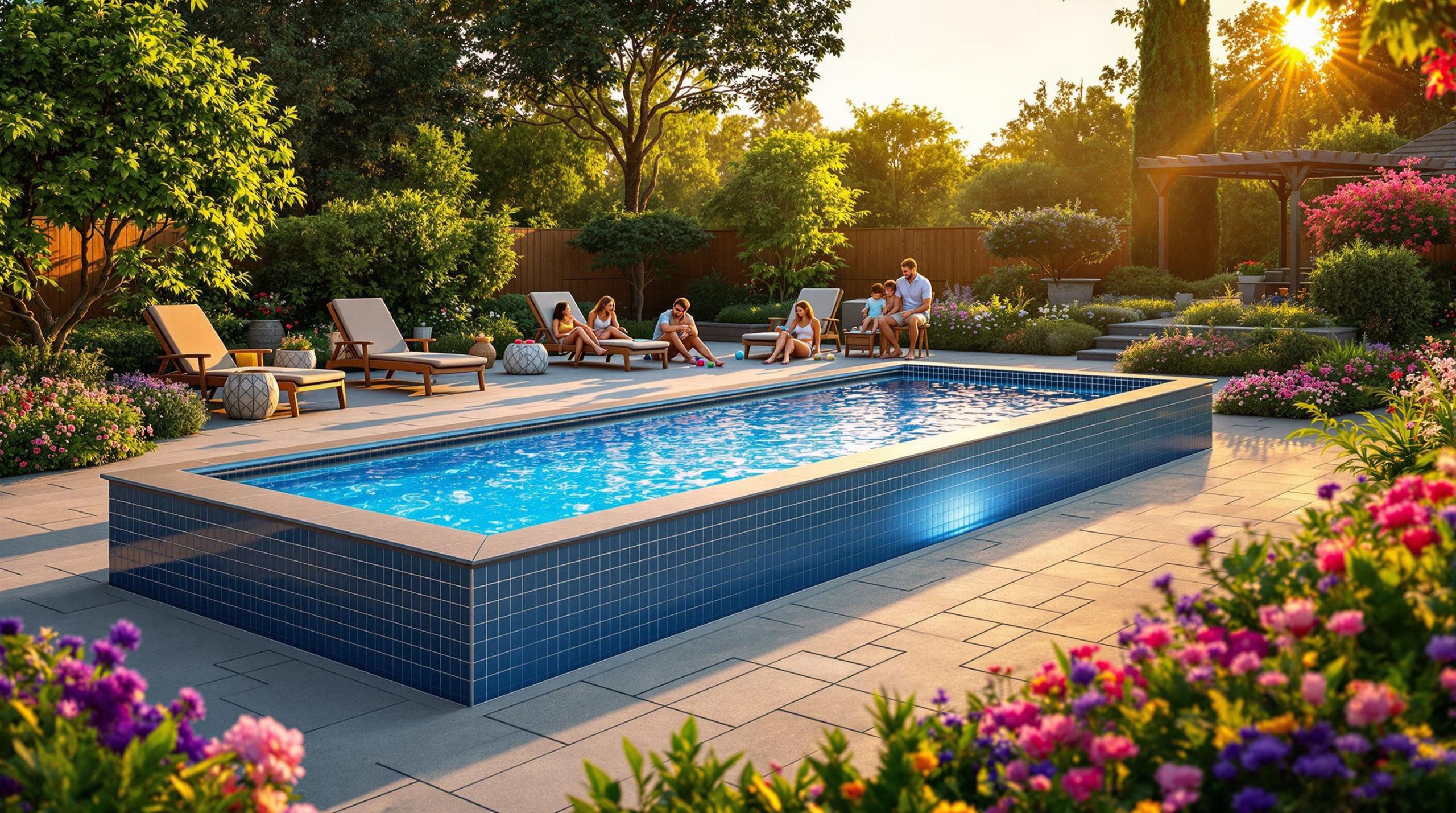
Choosing the right pool size for your backyard is about balancing your family’s needs, available space, and budget. Start by considering how you'll use the pool, the number of users, and your yard's layout. Here’s a quick guide to help you decide:
- Family Size: Small families (2-4) may prefer a 3m x 6m pool, while larger families (6+) might need a 6m x 12m pool.
- Purpose: Lap swimming requires at least 15' x 30', while family recreation works well with 20' x 35'.
- Yard Space: Keep your pool size to about 25% of your backyard for a balanced outdoor area.
- Cost Considerations: Larger pools mean higher upkeep, including water, chemicals, and heating.
Quick Comparison:
| Pool Purpose | Recommended Size | Best For |
|---|---|---|
| Lap Swimming | 15' x 30' | Exercise and fitness |
| Family Recreation | 20' x 35' | Games and daily swimming |
| Entertainment | 20' x 40' | Large gatherings, social use |
| Relaxation | 10' x 20' | Compact, casual lounging |
Measure your yard, plan for safety features, and consult local regulations to finalize your pool design. A well-sized pool will enhance your backyard without overwhelming it.
Identify Your Needs and Goals
Decide How You'll Use the Pool
The purpose of your pool will guide its size and shape. A lap pool, for example, requires very different dimensions than one designed for family fun. For dedicated swimmers, a pool length of at least 30 feet is recommended for comfortable laps. If exercise is your main focus, a narrow design around 15 feet wide works well.
On the other hand, pools meant for family activities or casual swimming should be wider to accommodate multiple users. Here’s a quick breakdown of common pool setups:
| Pool Purpose | Recommended Size | Features |
|---|---|---|
| Lap Swimming | 15' x 30' | Long, narrow design |
| Family Recreation | 20' x 35' | Varied depths for games |
| Entertainment | 20' x 40' | Spacious with social areas |
| Relaxation | 15' x 25' | Compact with lounging zones |
Think About Family Size and Usage
Your pool size should align with how your household plans to use it. For a family of four, a 15' x 30' pool might be ideal for daily use. However, larger families or those who frequently entertain guests might want to go bigger. A good rule of thumb is to provide around 100 square feet of water per swimmer, along with a depth profile that includes a shallow area (3-4 feet) and a deeper section (6-8 feet) for flexibility.
Here are a few factors to consider when planning:
- Peak usage: How many people will typically use the pool at the same time?
- Activity zones: Do you need specific areas for games, swimming, or relaxing?
- Age groups: Are there children or older adults who need special depth considerations?
- Future changes: Will your family grow, or will your needs evolve over time?
Once you've outlined your requirements, the next step is to assess your backyard's layout to ensure the pool fits seamlessly into your space.
Measure Your Backyard Space
How to Measure Your Yard
Getting accurate measurements is key when planning your pool installation. Start by identifying your property lines and marking any fixed elements like trees, fences, or utility lines that might influence where you can place the pool. For precise measurements, especially if your yard isn't a perfect rectangle, tools like the i-Measure My Pool app can be incredibly helpful.
Here are some important areas to measure and their clearances:
| Area to Measure | Required Clearance | Why It’s Important |
|---|---|---|
| Property Lines | 5-10 feet minimum | To meet local code rules |
| Existing Structures | 3-5 feet minimum | For access and maintenance |
| Trees/Large Plants | 10-15 feet radius | To protect root systems |
| Utilities | 5-8 feet minimum | For easy service access |
Plan for Extra Features
When designing your pool area, aim for a 2:1 length-to-width ratio to keep the layout balanced and visually pleasing. Don’t forget to leave room for important extras:
- Deck space: Plan for 4-6 feet of decking around the pool for walking and lounging.
- Equipment area: Reserve 3-4 feet for pumps, filters, and heaters.
- Entertainment zones: Include space for loungers, tables, or even an outdoor kitchen.
- Safety features: Account for fencing and emergency access points.
If you’re considering a larger pool, remember that it will need more surrounding space. For instance, a 20' x 40' pool typically requires an extra 400-600 square feet of decking to ensure enough room for circulation and poolside activities.
Your pool should take up no more than 25% of your yard to maintain a good balance with other outdoor features. Think about how sunlight and shade hit the area during the day, as well as privacy and views from both your home and the pool area.
"By aligning your pool's dimensions with your family's needs and available space, you'll create a functional and harmonious design."
Once you’ve measured your yard and planned for additional features, you can start looking into pool sizes and shapes that fit your lifestyle and budget.
Compare Pool Sizes, Shapes, and Costs
Popular Pool Shapes and Sizes
Once you've measured your yard and accounted for any additional features, it's time to look at pool shapes and sizes that suit your space and lifestyle. Rectangular pools are a classic option, especially for families who enjoy lap swimming or water games. A 16' x 40' rectangular pool offers plenty of room for multiple swimmers and maintains a clean, modern look in your backyard.
For a more relaxed vibe, freeform and kidney-shaped pools create a natural, flowing appearance. A smaller 10' x 20' kidney-shaped pool is perfect for compact spaces, leaving room for landscaping or entertainment areas. Choosing a pool design that fits your backyard layout ensures a balanced and functional outdoor space.
Here’s a quick guide to popular pool sizes and their ideal uses:
| Pool Size | Best For |
|---|---|
| Small (10' x 20') | Couples, relaxation |
| Medium (14' x 28') | Small families, casual swimming |
| Large (16' x 32') | Active families, entertaining |
| Extra Large (18' x 36'+) | Multiple activities, parties |
How Size Affects Cost
The size of your pool plays a major role in both installation and upkeep costs. Larger pools need more water, chemicals, and energy to heat and filter, which leads to higher monthly bills.
Here’s a comparison of costs based on pool size:
| Cost Factor | Small Pool | Large Pool |
|---|---|---|
| Water Volume | 10,000-15,000 gallons | 20,000-30,000 gallons |
| Monthly Maintenance | Lower costs for chemicals and heating | Higher costs for chemicals and heating |
| Overall Operating Cost | Easier on the budget | More expensive to maintain |
Vinyl liner pools offer customizable sizing, but keep in mind that non-standard designs usually come with higher price tags. Balancing your pool size with your actual needs can help you avoid unnecessary expenses while still getting the most out of your investment.
After deciding on the right size for your budget, don’t forget to check local regulations and safety requirements before moving forward.
Understand Local Rules and Safety Requirements
Zoning Laws and Permits
Local rules will play a big role in deciding how large your pool can be and where it can go. Knowing these rules early can save you from expensive redesigns down the line. Most towns or cities require specific permits before you can start building:
| Permit Type | Purpose | Requirements |
|---|---|---|
| Building | Approval for construction | Detailed construction plans |
| Electrical | Equipment installation | Proof of licensed contractor |
| Plumbing | Water system setup | Backflow prevention systems |
| Fencing | Safety compliance | Barrier specifications |
Pool Safety Requirements
The Virginia Graeme Baker Pool & Spa Safety Act sets nationwide safety rules, but your local area might have additional ones. These rules often influence the size and layout of your pool:
| Safety Feature | Specification | Purpose |
|---|---|---|
| Barrier Fencing | 4-6 feet high | Prevents unauthorized access |
| Self-latching gates | Child-resistant locks | Enhances pool security |
| Pool Covers | Safety certified | Reduces accident risk |
| Safety Equipment | Life rings, poles | For emergency rescues |
The Association of Pool & Spa Professionals (APSP) suggests installing pool alarms on all entry points to the pool area. These alarms, which typically cost between $200 and $500, are especially important for families with children.
Your pool design must account for all required safety features while staying within local regulations. Certified pool contractors can guide you through compliance and help you design a pool that works within these limits. Planning this step carefully is essential, as safety rules may restrict the size or location of your pool.
Once your design meets all the necessary rules and safety standards, you can finalize your pool's layout and features.
Plan and Design Your Pool
Use Tools for Accurate Planning
Digital tools can simplify pool planning and help you avoid errors. For instance, the i-Measure My Pool app is great for taking precise measurements, even in tricky areas like sloped or irregular yards. When deciding where to place your pool, think about how it will fit with your current landscape and outdoor activities.
Key measurements to focus on include:
- Distance from property lines and nearby structures
- Space needed for safety features
- Clearance for maintenance access
- Room for decking and pool equipment
Add Design Features
Your pool design should combine practicality with visual appeal while blending with your home’s style. Start with the basics before adding decorative touches to make the best use of your space.
Important considerations:
- Equipment area: At least 3' x 6' for pumps, filters, and heating systems
- Decking space: 4-6 feet around the pool for safety and lounging
- Storage: A dedicated spot for pool maintenance tools
- Landscape integration: Smooth transitions between the pool and yard
You can also include features to enhance the pool’s usability and appearance:
| Feature | Purpose | Design Impact |
|---|---|---|
| Beach Entry | Gradual slope for easy access, great for kids | Requires extra pool length |
| Tanning Ledge | Shallow area for relaxing and sunbathing | Adds a stylish focal point |
| Built-in Seating | In-pool resting spots for comfort | Improves social spaces |
| Water Features | Adds ambiance and visual interest | May require extra equipment |
When adding these features, think about how they’ll influence:
- Pool circulation
- Maintenance needs
- Energy consumption
- The overall look of your landscape
Every feature should serve a purpose without compromising the pool’s main function. Once your design is complete, double-check that it meets local regulations and safety standards to avoid unexpected changes down the line.
How to Choose the Right Swimming Pool Size
Conclusion: Choose the Right Pool for Your Home
Picking the right pool size can enhance family fun, maintain property value, and leave room for other outdoor features. Ideally, your pool should take up no more than 25% of your backyard, ensuring there's space for additional activities.
When deciding, think about both your current needs and future plans. For example, a 12×24-foot pool is perfect for small families and casual swimming, while a 20×40-foot pool is better suited for larger gatherings and a mix of activities. It's important to consider how your family's preferences might change over time.
Here’s a quick guide to pool sizes and their typical uses:
| Usage Type | Recommended Size | Best For |
|---|---|---|
| Small Family Recreation | 12×24 feet | Daily family use, casual swimming |
| Lap Swimming | 15×30 feet | Exercise and fitness training |
| Entertainment | 20×40 feet | Large gatherings, multiple uses |
| Compact Leisure | 10×20 feet | Relaxation in limited spaces |
Before making a final decision, consult a professional pool contractor. They can help ensure your design fits your property, meets local regulations, and strikes the right balance between functionality and style. A well-planned pool can provide years of enjoyment while enhancing your home's appeal.
FAQs
How big does your backyard need to be for a pool?
A backyard between 1,200 and 3,200 square feet can comfortably fit a pool while leaving room for other features. Ideally, your pool should take up about 25-33% of the total backyard area to maintain a balanced layout.
Here’s a quick guide to backyard sizes and suitable pool dimensions:
| Backyard Size | Recommended Pool Size | Best Use |
|---|---|---|
| 1,200 sq ft | 10' x 20' | Great for smaller leisure pools |
| 2,000 sq ft | 15' x 30' | Fits most family-friendly pools |
| 3,200 sq ft | 20' x 40' | Works well for larger entertainment pools |
Even if your yard is smaller, you can still include a pool. Compact designs under 10' x 20' can fit nicely in limited spaces without sacrificing functionality. The key is to focus on proportion - make sure the pool complements your yard without feeling overpowering. Pool professionals often emphasize purpose over size, ensuring the design meets your needs.