
Pool Tips ·
Ultimate Guide to Pool Filter Media Replacement
Maintaining your pool’s filter media is crucial for keeping your water clean, clear, and safe. Over time, filter media like sand, recycled glass, or zeolite lose their efficiency, leading to cloudy water, increased chemical use, and higher energy costs. Regular replacement ensures better filtration, reduces maintenance hassles, and extends the lifespan of your pool equipment.
Key takeaways:
- Filter Media Types: Options include silica sand (affordable, lasts 3–5 years), recycled glass (finer filtration, lasts 8–10 years), zeolite (removes ammonia, lasts 3–5 years), and advanced filter media (long-lasting, filters smallest particles).
- Signs for Replacement: Cloudy water, higher chemical use, or reduced filtration performance.
- Replacement Process: Remove old media, clean the filter tank, and carefully install new media following manufacturer guidelines.
- Maintenance Tips: Regular backwashing, occasional deep cleaning, and tracking replacement dates can extend the media’s life.
Properly replacing and maintaining your filter media ensures a healthier, more enjoyable swimming experience while saving money in the long run.
Replacing filter sand with filter glass - instructions for perfect pool water
Types of Pool Filter Media
When it comes to keeping your pool water crystal clear, the type of filter media you choose plays a big role. Your decision will depend on factors like your budget, how much maintenance you're comfortable with, and your pool's specific filtration needs. Each type of filter media has its own pros and cons, which can impact both your pool's performance and your long-term costs.
Silica Sand
Silica sand is a go-to option for many pool owners because it’s easy on the wallet. At $15–$25 per 50-pound bag, it’s one of the most economical choices available. Most residential pools require 200 to 300 pounds of sand, so the total replacement cost typically falls between $60 and $150.
This media can filter out particles as small as 20 to 40 microns. However, over time, the constant flow of water and regular backwashing wear down the sand grains. After about 3 to 5 years, the grains become smoother, which can lead to "channeling" - where water takes the path of least resistance, reducing filtration efficiency.
Recycled Glass Media
If you’re looking for an upgrade, recycled glass media is worth considering. It costs more upfront - around $40 to $60 per 50-pound bag - but offers finer filtration, capturing particles as small as 5 to 10 microns. This can result in clearer water and may even cut down on the need for chemical adjustments.
Another advantage is its resistance to channeling, which helps maintain consistent performance. Plus, recycled glass lasts longer than sand, typically 8 to 10 years, making it a solid choice for those seeking better water quality with less frequent replacements.
Zeolite
Zeolite, a natural volcanic mineral, offers some unique benefits. Priced at about $30 to $45 per 50-pound bag, it’s a mid-range option. What sets it apart is its ability to remove ammonia and ammonium compounds from pool water, thanks to its ion exchange properties. This makes it especially useful for pools with heavy usage or issues with chloramines.
Zeolite filters particles in the 5 to 15 micron range and lasts about 3 to 5 years. Many pool owners appreciate how it helps reduce chemical odors and eye irritation, making for a more comfortable swimming experience.
Advanced Filter Media (AFM)
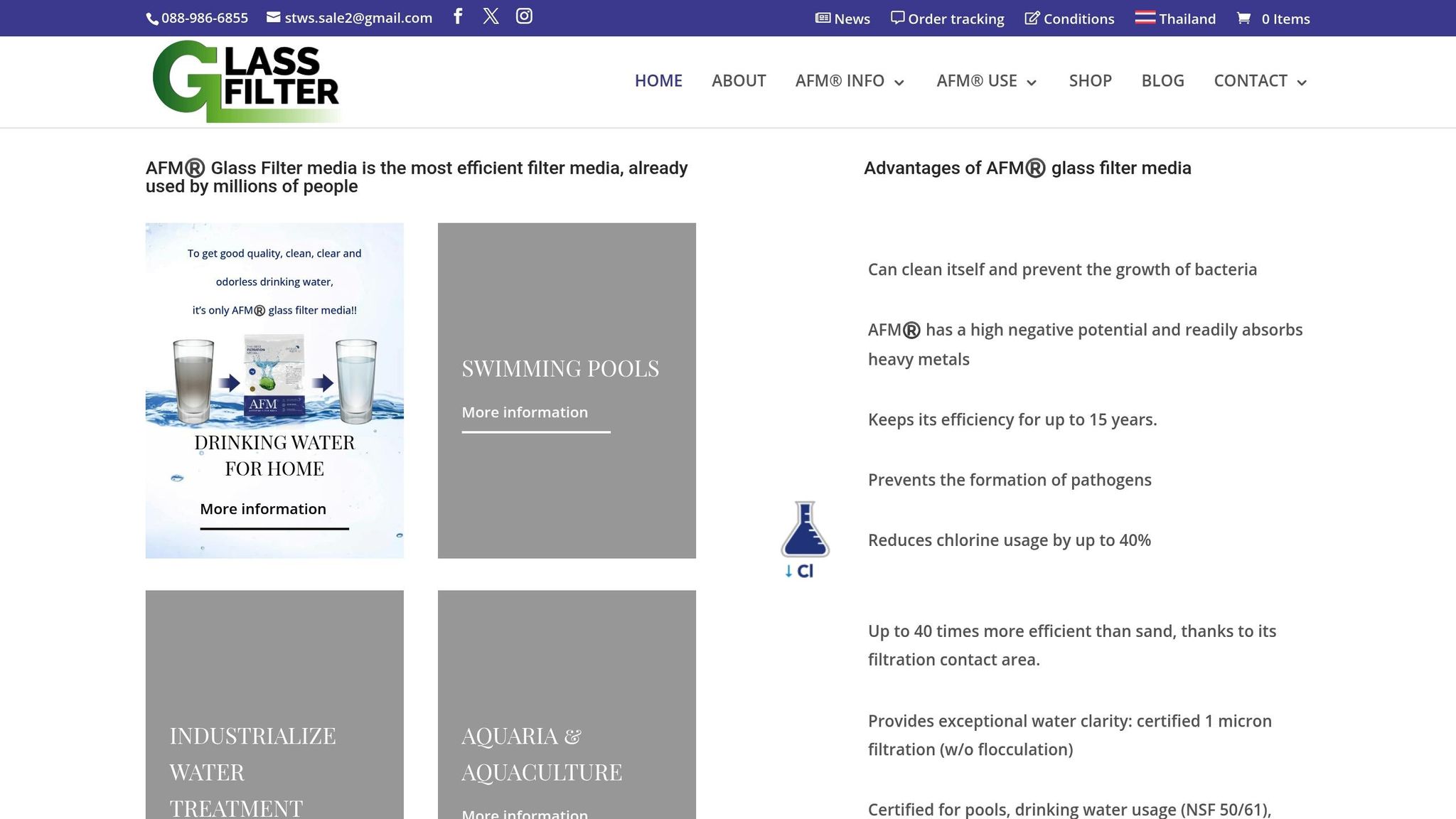
For those who want top-tier performance, Advanced Filter Media (AFM) is the premium choice. At $60 to $80 per 50-pound bag, it’s the most expensive option, but its benefits justify the cost. AFM is designed with a self-sterilizing surface that helps prevent bacterial growth, meaning less frequent cleaning. It can filter particles as small as 1 to 3 microns and boasts a lifespan of 10 to 15 years, offering excellent long-term value for pool owners who prioritize water quality.
Pool Filter Media Comparison Chart
| Media Type | Cost per 50 lbs | Filtration (Microns) | Lifespan | Special Features | Annual Cost* |
|---|---|---|---|---|---|
| Silica Sand | $15–$25 | 20–40 | 3–5 years | Budget-friendly | ~$15–$42 |
| Recycled Glass | $40–$60 | 5–10 | 8–10 years | Eco-friendly, resists channeling | ~$20–$38 |
| Zeolite | $30–$45 | 5–15 | 3–5 years | Removes ammonia | ~$30–$75 |
| AFM | $60–$80 | 1–3 | 10–15 years | Self-sterilizing | ~$20–$40 |
*Annual cost is estimated based on a typical residential pool requiring approximately 250 pounds of media.
By understanding these options, you can decide which filter media best suits your pool’s needs. If you’re on a tight budget, silica sand is a dependable choice. For those seeking better water clarity and less frequent maintenance, recycled glass or AFM could be worth the investment. And if water chemistry is a concern, zeolite’s unique properties might be the solution.
Up next, we’ll cover the warning signs that indicate it’s time to replace your filter media.
Signs Your Pool Filter Media Needs Replacement
Keeping your pool water clear and inviting hinges on the effectiveness of your filter media. When it starts losing its ability to catch impurities, those particles stay in your water, causing it to look murky. Here’s how to know it’s time for a replacement.
Cloudy or Poor Water Quality
The filter media plays a critical role in keeping your pool water clean by trapping dirt and debris. If your water stays cloudy no matter how well you maintain the pool, it’s a strong sign the media isn’t doing its job anymore. Another clue? You might find yourself using more pool chemicals than usual to try to compensate. Swapping out the old filter media can help bring back the water’s clarity and restore its balance.
How to Replace Pool Filter Media
Replacing your pool filter media might sound tricky, but breaking it into clear steps makes the job much easier. Here’s how to handle it safely and efficiently.
Preparation and Safety Steps
Start by turning off the power to your pump and filtration system. Wait about 10 minutes to let any residual pressure dissipate. Then, release any remaining pressure by opening the drain plug or pressure relief valve - you’ll know it’s working when you hear a hissing sound.
Next, close the necessary valves. For sand filters, set the multiport valve to "closed" or "winterize." For cartridge filters, shut off both the inlet and outlet valves.
Before diving in, gather your tools: a shop vacuum, gloves, a garden hose, and either a bucket or tarp.
Removing Old Media
Carefully disconnect the tank by removing clamps or unscrewing unions. Lift off the top housing - this can be heavy, so grab a helper if needed - and place it somewhere safe to avoid damage.
Use your shop vacuum or gloved hands to remove the old filter media. If you’re working with a sand filter, you’ll notice the standpipe and laterals at the bottom. These plastic parts help distribute water through the media, so be extra cautious not to put any weight on them - they’re fragile and can crack easily.
Once the old media is out, rinse the inside of the tank with a garden hose. Take a close look at the laterals and standpipe, and replace any damaged pieces before moving forward.
If you notice calcium buildup or mineral deposits inside the tank, clean them with a mild muriatic acid solution. Just be sure to rinse everything thoroughly afterward and follow all safety guidelines when handling the acid.
Now you’re ready to install the new media and get your filter back in action.
Installing New Media
With the tank cleaned and prepped, it’s time to add the new filter media. Start by checking your filter’s manual for the correct amount. Sand filters typically need 100–300 pounds of sand, while glass media requires about 20% less volume.
Before adding the media, fill the tank about one-third full with water. This helps cushion the laterals and prevents damage when the media settles. It also ensures the media distributes evenly.
Slowly pour the new media into the tank, aiming for the center. Keep the standpipe centered and avoid dumping the media directly onto the laterals. Fill the tank until the media level is 2–3 inches below the top, or as specified in your filter’s manual.
Once the media is in place, reassemble the filter. Make sure all O-rings and gaskets are clean and properly seated. Tighten the clamps or unions by hand, then give them an extra quarter turn with the right tools - but don’t over-tighten, as this could crack the housing.
To finish up, prime the system by gradually opening the valves to let water fill the filter. Set the multiport valve to "rinse" or "backwash" mode, and run the pump for 2–3 minutes to settle the new media and clear any initial cloudiness. Finally, switch to "filter" mode and check for leaks around the connections.
Give the new media a few days to fully settle, and your filtration system will be running at peak performance.
How to Make Filter Media Last Longer
Once you've installed new filter media, a little extra care can go a long way in keeping it effective. These maintenance tips will help keep your pool water sparkling and your equipment running smoothly.
Stick to a Regular Backwashing Routine
To keep your filter media free of debris and buildup, make backwashing a regular habit. Pay attention to your filter's pressure gauge - when the pressure climbs noticeably above normal levels, it's time to backwash. How often you need to do this depends on factors like how much the pool is used, weather conditions, and nearby environmental elements. Keeping a simple log of backwashing dates and pressure readings can help you spot patterns and address potential problems before they escalate.
Use Filter Cleaning Products for Deep Cleaning
While backwashing handles everyday debris, deeper cleaning is sometimes necessary to maintain your filter media's performance. Commercial filter cleaning products are designed to tackle stubborn buildups that backwashing might miss. Always follow the product's instructions and confirm it's safe for your specific type of filter media. For additional tips and advice, Pleasant Pools provides handy "how-to" guides and a selection of pool chemicals to make maintenance easier.
Keep Track of Replacement Dates
Knowing when to replace your filter media is key to keeping your pool system efficient. Record the installation date and log all maintenance activities to monitor performance over time. Regularly inspect your filter system for signs of wear or diminished effectiveness. To stay on top of things, set calendar reminders for routine maintenance tasks. By staying organized, you can extend the life of your filter media and save on operating costs in the long run.
Pleasant Pools Filter Media Services
Pleasant Pools has expanded its offerings to include expert filter media services, making pool maintenance easier for Oklahoma residents. Whether it’s replacing filter media or keeping it in top shape, they provide comprehensive solutions tailored to every pool owner’s needs. Whether you prefer to handle the task yourself or leave it to the pros, their team ensures you have the right products and guidance for efficient filter replacement.
Filter Media Products and Installation
Pleasant Pools carries a wide range of filter media options, including those for sand, cartridge, and DE filtration systems. They also offer professional installation services, such as filter installations, sand changes, and system upgrades.
Their team goes the extra mile to match the filter media to your pool’s unique requirements. Whether it’s selecting the right type of sand or glass media for sand filters or providing easy cartridge replacements, they’ve got you covered. Plus, if specific parts are needed, their service department can order them, ensuring your system gets exactly what it needs.
DIY Support and Expert Assistance
For pool owners who prefer a hands-on approach, Pleasant Pools offers plenty of support. Their “Ask our experts” service connects you with knowledgeable professionals who can guide you through filter media replacement and other pool care tasks.
Their retail stores are stocked with all the essential pool supplies, including a variety of filter media options for DIY projects. The staff is always ready to help you find the right products and share practical tips based on your pool’s setup and Oklahoma’s specific conditions. Whether you choose to go the DIY route or opt for professional help, Pleasant Pools ensures you have everything you need for proper pool maintenance.
50 Years of Experience in Oklahoma
With a legacy spanning 50 years, Pleasant Pools has been a trusted name in solving Oklahoma’s pool maintenance challenges. Founded by Tedd and Howard Fleming, the company has built its reputation on providing reliable solutions tailored to the region’s unique climate and water conditions.
In May 2024, Pleasant Pools published a "Guide to Pool Filtration Systems Types & Care" on their website. The guide outlines maintenance schedules for different filtration systems: sand filters (replace sand every 3-5 years), cartridge filters (replace cartridges every 1-3 years), and DE filters (add new DE powder after backwashing). It emphasizes their dedication to helping pool owners maintain clear, safe, and beautiful pools while offering expert guidance and top-notch support.
Beyond just selling products, Pleasant Pools focuses on educating and supporting their customers. Their expertise extends to in-ground and aboveground pool maintenance, hot tub services, and full-scale pool equipment installations. This well-rounded approach ensures they can address all aspects of your pool system, delivering solutions that go beyond just filter media replacement.
Conclusion
Taking care of your filter media is key to keeping your water crystal clear and your equipment running smoothly. If you notice cloudy water or a spike in pressure, it’s time to act.
Each type of filter media has its own replacement schedule, so sticking to your filter’s maintenance guidelines is crucial. Replacing the media on time not only improves performance but also helps cut down on chemical use and extends the life of your equipment.
Investing in high-quality filter media pays off with clearer water, fewer chemicals, and longer-lasting equipment. Select the media that suits your pool’s specific needs, and remember - proper installation and upkeep are game-changers.
Keep an eye on your filter’s pressure gauge and monitor water quality regularly. By maintaining your filter media, you’ll enjoy safe, sparkling water all season long. A well-cared-for filtration system is the backbone of a healthy, efficient pool.
FAQs
What’s the best type of filter media for my pool, and how do I choose it?
Choosing the right filter media for your pool comes down to a few key factors, such as the size of your pool, how frequently it’s used, and the level of water clarity you’re aiming for. If you have a larger pool or one that sees heavy use, glass or zeolite media might be worth considering. These options tend to last longer and are better at capturing smaller particles compared to traditional sand.
It’s also crucial to ensure your filter matches your pool’s volume (measured in gallons) and your pump’s flow rate. This alignment is key to maintaining efficient filtration and keeping your pool water sparkling clean. If you’re not sure where to start, reaching out to a pool professional can provide guidance tailored to your pool’s specific needs.
What happens if I don’t replace my pool filter media on time?
Ignoring the need to replace your pool filter media can cause a range of issues. Over time, the filter media collects dirt and debris, which reduces water flow and makes it harder to maintain a clean pool. This can lead to cloudy or even murky water, while also putting extra stress on your pool’s equipment - potentially resulting in costly repairs.
On top of that, old filter media can become a hotspot for algae and bacteria growth. This not only impacts the quality of your pool water but could also pose health risks. By replacing your filter media regularly, you help keep your pool water clear, safe, and your equipment running efficiently. In the long run, this simple maintenance step can save both time and money.
What are the best maintenance tips to make my pool filter media last longer?
To keep your pool filter media working efficiently for as long as possible, regular maintenance is key. This includes routine backwashing to clear out debris, keeping an eye on pressure levels to know when cleaning is needed, and giving cartridge filters a thorough deep clean when required. For stubborn buildup, soaking the filters in a cleaning solution can make a big difference.
Another important step is maintaining balanced water chemistry. This prevents unnecessary wear and tear on the filter system. Generally, most filter media should be replaced every 3–5 years to keep things running smoothly. With consistent care, you’ll not only extend the life of your filter media but also enjoy sparkling, clear pool water.