
Blog ·
5 Most Common Pool Pump Problems and Solutions
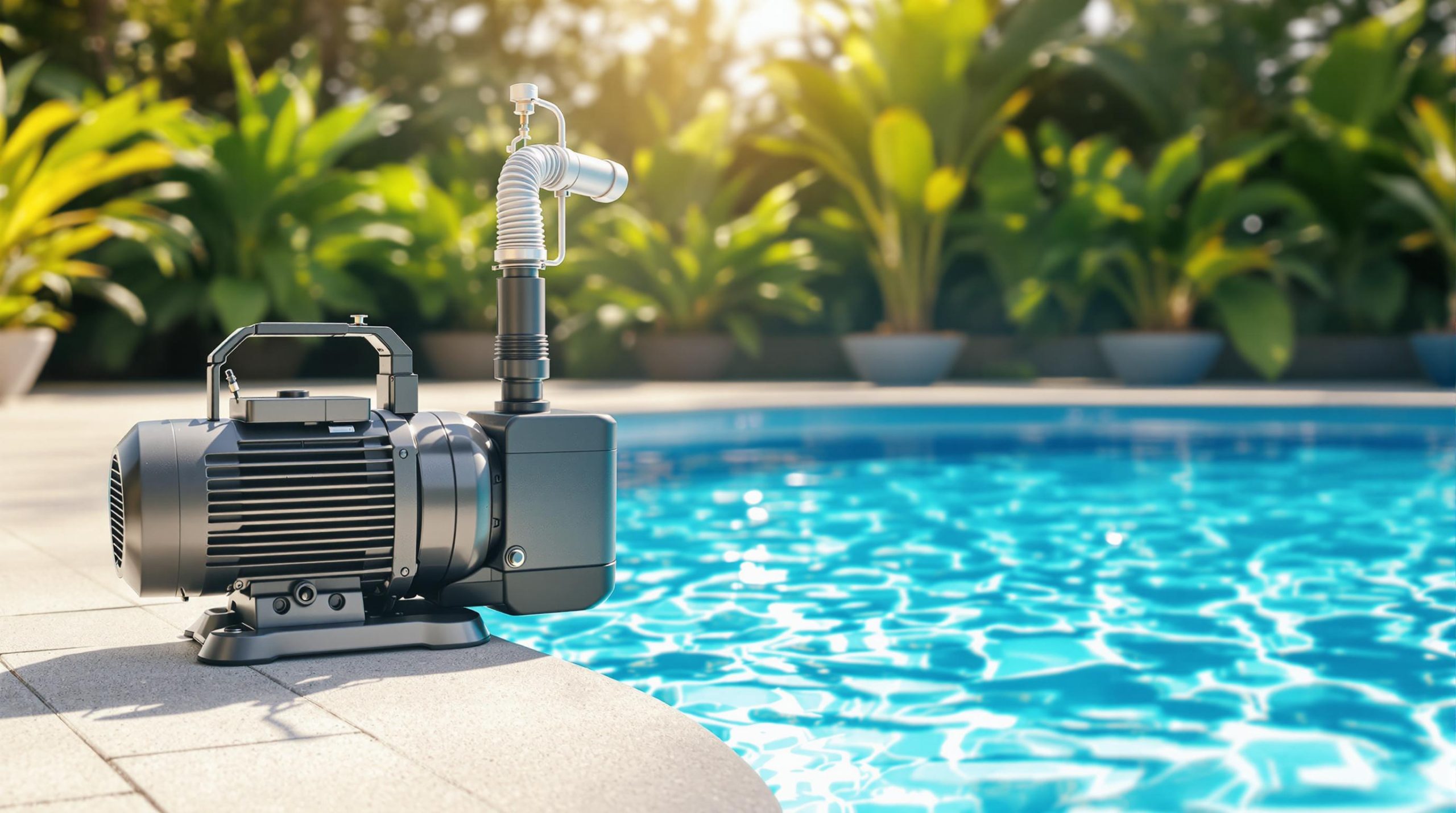
Pool pumps are essential for keeping your pool clean and safe, but they often face common issues that can disrupt their function. Here are the 5 most frequent problems and how to solve them:
- Pump Fails to Start: Check electrical wiring, clean motor vents, and remove debris from the motor shaft. If the issue persists, the capacitor or motor may need professional attention.
- Reduced Water Flow: Clean the filter, pump basket, and impeller. Fix air leaks by replacing worn seals or repairing cracked skimmers.
- Leaks: Replace damaged seals and tighten loose fittings to prevent water loss and equipment stress.
- Noisy Pump: Clear plumbing blockages or replace worn bearings to eliminate gurgling, rattling, or screeching sounds.
- Humming Without Starting: Remove debris from the impeller or inspect the capacitor for damage. Call a professional if needed.
Key Tip: Regular maintenance - like cleaning filters, inspecting seals, and checking electrical connections - can extend your pump’s lifespan and save on costly repairs.
For more details on troubleshooting and maintenance, keep reading.
Pool Pump Not Working? How To Fix 6 Common Pump Problems
1. Pool Pump Fails to Start
If your pool pump won’t start, it might not run at all, shut off quickly after starting, or make a humming sound without actually working [2].
Check Electrical Wiring
Start by inspecting the timer box for any loose or corroded connections. Use a multimeter to confirm proper voltage. Also, check the circuit breaker panel to see if any switches have tripped.
Clean Motor Vents
Debris like leaves or spider webs can clog the motor vents. Clear them out and make sure there’s at least 6 inches of open space around the pump. Regularly inspect for blockages, especially during fall and spring [2].
Remove Debris from Motor Shaft
Turn off the power supply before you begin. Open the pump housing, remove any debris from the motor shaft, and manually rotate it to ensure it moves smoothly. If the pump still won’t start, it could be due to issues like a bad capacitor or internal motor damage. In that case, it’s best to call a professional pool technician. Always prioritize safety when handling electrical components and avoid attempting repairs outside your skill level [2].
2. Reduced Water Flow in Pump
If your pool pump's water flow slows down, it can disrupt circulation and filtration, leading to bigger problems if not fixed quickly.
Clean the Filter and Remove Debris
First, check the filter for clogs. If the pressure gauge shows a high reading, it's time to clean it. Aim to clean your filter every 1-3 months to keep water flowing smoothly and prolong the pump's lifespan [2]. Next, focus on the pump basket and the impeller (the spinning blades inside the pump):
- Turn off the pump's power.
- Take out the pump basket and clean it thoroughly.
- Inspect the impeller for any blockages.
- Use a soft brush to clear away stubborn debris [2].
Tip: After cleaning, make sure the basket is properly aligned to avoid air entering the system [1].
Look for Air Leaks
Air leaks can make your pump less effective and even cause damage over time. Some common culprits include:
- Cracked or damaged skimmers (replace any broken parts).
- Worn-out O-rings and seals (swap them out as needed).
- Low water levels (ensure the water reaches halfway up the skimmer opening).
If you notice bubbles in the pump basket or return jets, it's a sign of an air leak. Inspect and fix these issues as soon as possible [1]. Regularly checking these components will help keep your pump running efficiently and your pool in good shape [2].
3. Pool Pump Leaks
Leaks in your pool pump can lead to wasted water, higher energy bills, and potential equipment damage if ignored. The usual culprits? Worn-out seals and loose fittings [1].
Replace Worn Seals
Start by turning off the pump and checking the seals for any cracks, brittleness, or signs of wear. If they’re damaged, replace them and use a specialized o-ring lubricant. This helps create a snug fit and can extend the life of the seals [2].
Tighten Loose Fittings
Look for moisture or drips around pipe connections. Hand-tighten any loose fittings, but don’t overdo it - too much force can cause cracks. If tightening doesn’t solve the problem, consider replacing the fitting or reaching out to a pool technician [1].
Watch for signs like water dripping from the pump housing, unusually high filter pressure, reduced water flow, or puddles near the pump base. Fixing leaks quickly not only prevents water loss but also reduces stress on the pump, cutting down on noise and other issues. This ensures your pump runs smoothly, keeps energy costs in check, and lasts longer [2].
4. Noisy Pool Pump
A noisy pool pump usually points to a problem that needs attention. Figuring out what's causing the noise can help you avoid expensive repairs and keep your pump running smoothly.
Fix Plumbing Line Blockages
If your pump is making strange gurgling or rattling sounds, the issue might be in the plumbing system rather than the pump itself. Here's how to handle it:
- Turn off the pump: Cut the power at the circuit breaker before you start any work.
- Check the plumbing lines: Look for debris, especially around bends and connections.
- Remove blockages: Use a plumbing snake or pressure washer to clear obstructions, but be careful not to damage the pipes.
Handle Worn Bearings
A high-pitched screech or strong vibrations often means the bearings are worn out. This tends to happen with older pumps or those that have been exposed to water.
Replacing bearings can be tricky and, if done incorrectly, might lead to more issues like motor damage or misalignment. It's best to hire a professional technician to handle this repair safely and properly.
Taking care of noise issues quickly can prevent bigger problems, save you money on repairs, and minimize any pool downtime. Regular maintenance and prompt action when you hear unusual sounds will help your pump stay quiet and efficient [1][2].
5. Pump Humming Without Starting
If your pool pump is humming but not starting, it’s often due to a blocked impeller or a bad capacitor. Tackling these problems quickly can help you avoid expensive repairs or permanent damage.
Check the Impeller for Debris
A clogged impeller is a frequent culprit behind a humming pump. Debris can prevent it from spinning properly. Here’s how you can fix it:
- Turn off the power at the circuit breaker to ensure safety.
- Access the impeller by removing the pump housing screws, then clear out any debris you find.
- Reassemble the pump after ensuring the impeller can rotate freely.
If the impeller feels stuck or hard to turn manually, debris is likely the issue. Regular cleaning and maintenance can help you avoid these jams in the future.
Inspect the Capacitor
The capacitor provides the electrical boost needed to get the motor running. If it’s faulty, the pump may hum but fail to start. Watch for these warning signs:
- A bulging or misshapen capacitor
- Oil leaks or burn marks
- A burning smell or inconsistent starting
"If you suspect the capacitor is faulty, it is recommended to have it replaced by a professional, as improper handling can lead to further damage or safety issues" [2].
Capacitor replacement should always be handled by a professional to avoid safety hazards. Make sure the new capacitor matches the original specifications exactly.
Conclusion: Maintaining Your Pool Pump
Keeping your pool pump in good condition is key to ensuring your pool stays clean and operates smoothly. Regular care not only improves performance but also helps cut down on running costs [1].
Here’s a simple maintenance schedule to follow:
Weekly Tasks
- Empty the pump basket and clean the filter.
- Listen for any unusual sounds or vibrations.
- Check water flow and pressure levels.
Quarterly Tasks
- Perform a thorough system check.
- Test electrical connections.
- Look over seals and fittings for wear.
Following the manufacturer’s recommendations is essential for proper upkeep. Data shows that staying on top of maintenance can save homeowners around $500 a year on repairs [2]. For electrical or mechanical problems, call in a professional.
It’s also a good idea to keep a log. Record cleaning dates, part replacements, professional check-ups, and any performance notes. This helps you stay organized and spot patterns. Remember, preventing issues is almost always cheaper than fixing them.
"Regular maintenance can prevent costly repairs by identifying and addressing potential issues before they become major problems" [1].
For more complicated issues - like electrical or mechanical failures - always work with certified pool experts. They’ll ensure your equipment stays safe, functional, and within warranty guidelines.
FAQs
Here are answers to some common questions pool owners often ask about pump problems and how to address them.
What usually goes wrong with a pool pump?
Pool pumps can experience various issues, with electrical problems being the most frequent. Common trouble spots include the breaker system, wiring connections, and the capacitor. On the mechanical side, clogged impellers and worn-out seals are typical culprits. Electrical problems make up about 60% of failures, while mechanical issues account for roughly 40% [2]. Regular upkeep can help catch these problems early and keep your pump running smoothly.
How can I fix a pool pump that won’t prime?
If your pump is having trouble priming, try these steps:
- Make sure the water level is high enough to reach the skimmers.
- Check that skimmer doors (weirs) are moving freely.
- Confirm all valve handles are tightly secured.
For more complex problems like debris in the impeller or a faulty capacitor, refer to Section 5 for detailed troubleshooting tips [1]. If the issue persists, it might be time to call in a professional to check for hidden air leaks or other mechanical problems.
What should I do if my pool pump is noisy?
Noisy pumps can be caused by worn bearings (grinding sounds), loose mounting (vibrations), blockages in the impeller, or damaged seals. Lubricate bearings and seals every three months using a high-quality lubricant to reduce wear and tear. For a step-by-step guide on dealing with pump noise, check out Section 4.
"Regular maintenance and prompt repair of minor issues can prevent more significant problems from developing" [2].
If the noise continues after basic troubleshooting, it’s best to consult a certified pool technician to avoid potential motor damage [1].