
Pool Tips ·
Can You Change Pool Shape or Depth?
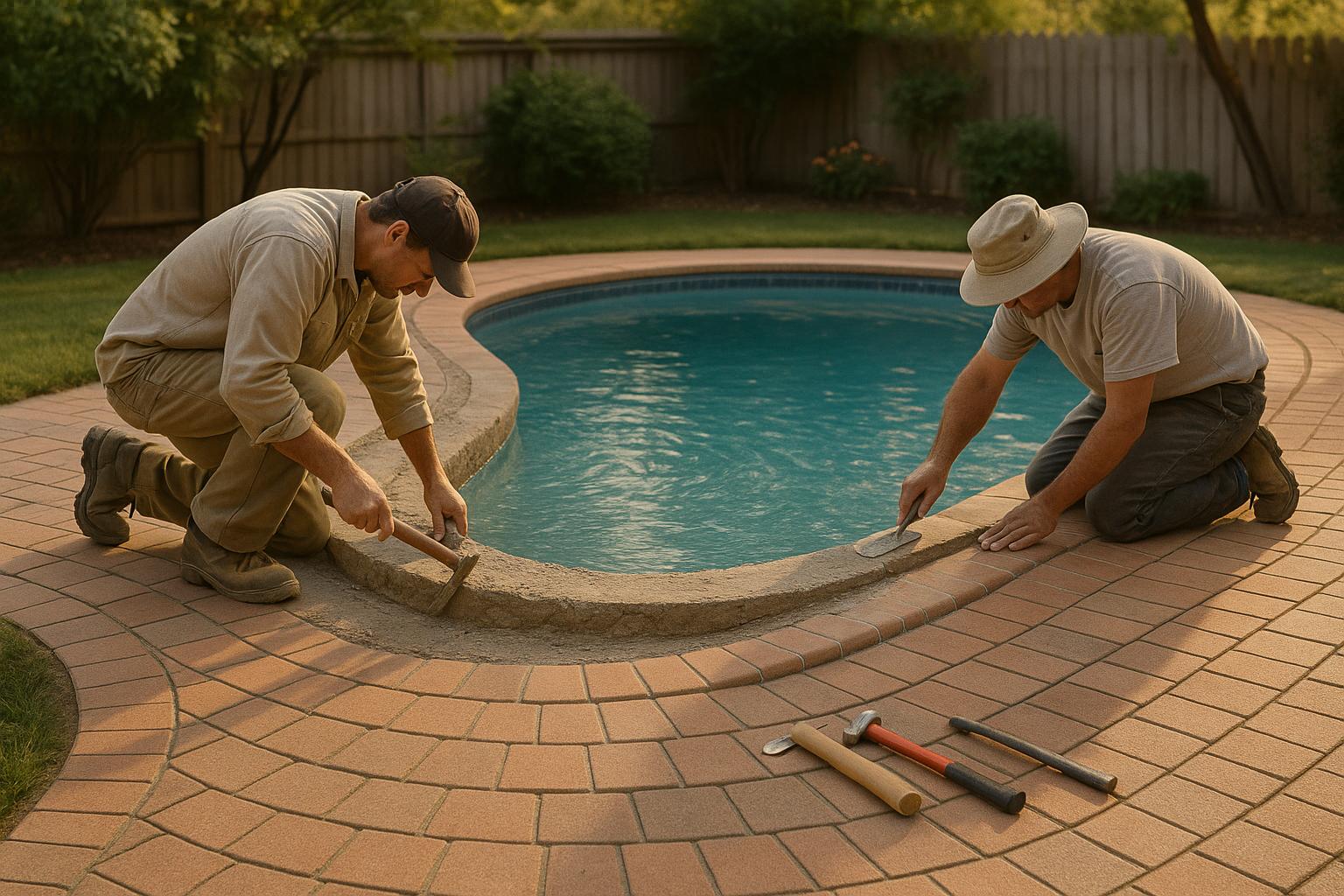
Yes, you can change your pool's shape or depth, but the process depends heavily on the type of pool you have. Here's a quick overview:
- Vinyl liner pools: Most flexible for modifications. You can alter both shape and depth relatively easily and affordably by redoing the bottom and replacing the liner.
- Concrete pools: Changes are possible but require significant effort, time, and money. Reshaping involves breaking and rebuilding the structure.
- Fiberglass pools: Least flexible. Major changes are nearly impossible due to the solid shell design. Replacement is often a better option.
Key Considerations:
- Costs depend on pool type, project size, permits, and additional work like plumbing or electrical updates.
- Timelines range from 2–4 weeks for minor updates to 6–12 weeks (or more) for major structural changes.
- Professional expertise is critical to ensure structural integrity and compliance with local codes.
If you're considering pool modifications, consult experienced professionals to plan effectively, avoid costly mistakes, and achieve the desired results.
Can I Change The Shape Or Depth Of My Swimming Pool?
Can You Change Pool Shape or Depth?
Yes, you can change the shape or depth of a pool, but how easily and affordably it can be done depends on the type of pool you have. The material your pool is made from plays a huge role in determining whether modifications are practical or cost-effective. Let’s break down how different pool types handle changes.
Pool Types That Can Be Modified
Vinyl liner pools are the most flexible when it comes to modifications. These pools make it relatively simple and affordable to adjust both shape and depth. By redoing the bottom with materials like concrete or vermiculite and installing a new liner, you can create a completely different pool layout. Shape changes are straightforward, too - existing panels can be removed or added, and digging or backfilling around the pool area allows for reshaping. Thanks to their design, vinyl pools offer the most versatility.
Concrete pools can also be modified, but the process is far more involved. To make changes, you need to break apart the existing structure, reshape it, and then rebuild. This requires heavy machinery, skilled labor, and a significant investment of time and money. Modifying a concrete pool often comes with costs that rival building a brand-new pool.
Fiberglass pools are the least adaptable. Since they are built as one solid shell, making major changes is almost impossible. Minor tweaks might be manageable, but for anything significant, replacing the entire pool is usually the only option. While their one-piece construction makes fiberglass pools quick to install, it also limits the ability to alter them later.
Why People Change Pool Shape or Depth
There are plenty of reasons why homeowners choose to modify their pools. It could be for safety, functionality, or simply to improve the look and value of their property. For example, families might add a shallow area for young children, or a lap swimming zone for fitness enthusiasts. Others might include modern features like built-in spas to make their pool more appealing and practical.
Sometimes, it’s about updating the style. Pools with older designs, like kidney shapes popular in the 1980s, might be transformed into sleek, modern rectangles. Adjusting the pool to better fit the yard or align with current design trends can increase the property’s overall appeal. In some cases, practical concerns - like poor water circulation or hard-to-maintain areas - drive the decision to make changes.
How Pool Modifications Work
The process of modifying a pool starts with draining it and removing any equipment that’s in the way. Then, excavation and grading are done to prepare the area. After that, the real work begins - reinforcing or installing new walls, along with any necessary plumbing or electrical updates. This is where hiring a professional becomes essential.
Licensed pool contractors bring the tools, expertise, and insurance needed to complete these complex projects safely and in compliance with local codes. Attempting to handle pool modifications as a DIY project can lead to serious issues, from structural failures to costly code violations. For a job this intricate, it’s always better to leave it to the experts.
Pool Modification Costs
The cost of modifying a pool can vary widely depending on the type of pool you have and the extent of the changes you’re planning. To budget effectively, it’s important to understand the key factors that influence pricing and compare cost ranges for different pool types.
Cost Ranges by Pool Type and Project Size
The type of pool you own plays a big role in determining how much modifications might cost. For example:
- Vinyl liner pools: These are often the most budget-friendly to update. Replacing the liner is a common and relatively straightforward project.
- Concrete pools: Changes here tend to be more expensive because reshaping or updating the structure requires significant labor. Meeting modern safety standards can also add to the cost.
- Fiberglass pools: Modifying these pools is tricky. Since the shell is pre-molded, making changes can be expensive and sometimes impractical. In many cases, replacing the pool entirely may be a better option.
What Affects the Final Cost
Several factors can impact how much you’ll ultimately spend on pool modifications, including:
- The size and dimensions of your pool
- Your geographic location, which influences labor costs and permit fees
- Local building codes that may require permits and inspections
- Additional tasks like plumbing, electrical adjustments, or landscaping restoration
- Site conditions, such as soil type or drainage issues, which could lead to extra expenses
- Equipment upgrades, like new pumps, filters, or heaters, that might be necessary to support the updated pool design
To get a clear idea of what your project will cost, it’s a good idea to consult experienced professionals. They can provide estimates tailored to your pool type, location, and specific needs.
Project Timeline and Work Phases
Planning for pool modifications means understanding how long the process might take and preparing for any disruptions to your backyard and daily life. The timeline varies depending on the complexity of the project, but most follow a clear sequence of steps.
How Long Projects Take
If your project involves minor updates, like replacing a vinyl liner or making small depth adjustments, you’re looking at 2-4 weeks from start to finish. This includes time for permits, ordering materials, and completing the work.
For major structural changes - like reshaping a concrete pool or significantly altering its depth - the timeline stretches to 6-12 weeks. Projects requiring extensive excavation, plumbing, or electrical work can take 16 weeks or more.
Several factors can affect how quickly the work progresses. Weather is a big one: rain can delay excavation and concrete work, while freezing temperatures can put construction on hold entirely. Permit approvals also vary by location, with some areas processing them in a few days and others taking weeks. Material availability can be another hurdle, especially during busy seasons or when custom components are involved.
Don't forget about inspections, which are required at various stages of the project. These typically happen after excavation, plumbing and electrical work, and again at the end. Each inspection must be approved before moving on to the next phase, which can add time to the overall schedule.
Main Project Steps
Pool modifications are completed in distinct phases, each with its own timeframe and requirements.
- Planning and permits: The first 1-3 weeks are all about finalizing designs, securing permits, and scheduling inspections. Your contractor will also arrange for material deliveries and coordinate with subcontractors during this time.
- Pool draining and preparation: This step takes 1-2 days. The pool is drained, the water is properly disposed of, and any existing equipment is disconnected and secured.
- Excavation and demolition: Depending on the scope of the project, this phase can take anywhere from 2-3 days for simple depth adjustments to 1-2 weeks for major reshaping. Be prepared for some noise and disruption from heavy machinery during this stage.
- Structural work: This includes forming new walls, pouring concrete, and allowing it to cure, a process that takes 2-4 weeks. Weather conditions are critical here - rain or extreme temperatures can slow things down.
- Plumbing and electrical updates: These updates, such as installing new circulation systems, lighting, or heating equipment, usually take 3-5 days and may happen alongside or immediately after structural work.
- Surface finishing: Adding the final touches, like plastering, tiling, or fitting a new vinyl liner, takes another 1-2 weeks. Each type of finish has specific curing or setting times that can’t be rushed.
- Final inspections and startup: Wrapping up the project takes 2-3 days. This includes filling the pool, balancing the water chemistry, testing equipment, and obtaining final approvals from local authorities.
Keep in mind that winter projects in colder climates often face delays due to freezing conditions, while summer projects might be affected by contractor availability during peak season.
Important Factors and Potential Problems
Making changes to your pool can transform your backyard into an even more inviting space. However, these modifications require careful planning to ensure everything remains safe and structurally sound. Before you start thinking about costs or timelines, it’s essential to address some key factors to set your project up for success.
Structural and Safety Requirements
Adjusting a pool’s shape or depth isn’t as simple as it might seem. These changes can affect the pool’s structural stability, so it’s critical to ensure the foundation, walls, and other support systems can handle the modifications. To avoid costly mistakes, have a professional evaluate the pool to confirm it meets local codes and safety standards. This step is non-negotiable when it comes to keeping your pool safe for everyone.
Common Considerations
No two pool renovation projects are the same, and unexpected challenges can pop up along the way. That’s why it’s so important to bring in experienced professionals early in the planning process. Their expertise can help you spot potential problems before they become major setbacks, saving you time, money, and stress in the long run.
Pleasant Pools Services and Experience

For over 50 years, Pleasant Pools has been a trusted name in Oklahoma, founded by Tedd and Howard Fleming. With decades of experience, they’ve mastered the art of transforming pool shapes and depths, tackling challenges with a combination of creativity and precision.
Pool Renovation Services
Pleasant Pools excels in renovating both in-ground and aboveground pools, recognizing that each type demands unique techniques. Whether you need to expand a shallow end or design a deeper configuration, their team ensures the changes align with your family’s needs.
A key focus of their service is vinyl liner installations. Pleasant Pools has refined the process of creating custom liners that fit perfectly with modified pool dimensions. The result? A smooth, long-lasting finish that enhances both the look and functionality of your pool.
They also specialize in structural modifications, such as transforming a rectangular pool into an L-shape or adding a spa feature. Their expertise ensures these changes maintain the pool’s structural integrity while bringing your vision to life.
During renovations, they address hidden issues like leaks or faulty equipment, keeping projects on track without unexpected surprises.
Full Support and Financing
Beyond their renovation expertise, Pleasant Pools prioritizes customer support and flexible payment solutions to make the process stress-free.
The journey begins with a comprehensive consultation where their experts assess your current pool and discuss your goals. Clients are encouraged to "Ask our experts" at any stage, ensuring clarity and confidence throughout the project.
For families concerned about costs, financing options make it easier to start enjoying your upgraded pool sooner. Their financing team works closely with you to create a payment plan that fits your budget, spreading the cost into manageable monthly installments.
After renovations are complete, Pleasant Pools continues to support you with ongoing maintenance services. Changes to your pool’s shape or depth can alter water chemistry and circulation, requiring adjustments to your maintenance routine. Their team offers guidance or can take over regular upkeep if preferred.
When structural changes impact your pool’s circulation system, their equipment expertise comes into play. Depth adjustments or added sections may require new pumps, return lines, or updated filters. Pleasant Pools stocks a range of equipment, from pumps to heaters, ensuring your pool operates efficiently after modifications.
Their commitment to customer care extends to reliable support through multiple contact options on their website. Whether you have questions during the renovation process or afterward, their team is ready to provide quick answers, helping you avoid delays or unnecessary costs.
Summary: Pool Modification Basics
If you're considering modifying your pool's shape or depth, it's entirely possible - but the success of such a project hinges on factors like the type of pool, your budget, and the expertise of the professionals you hire. In-ground pools tend to offer more options for modifications, while aboveground pools are limited to certain types of changes.
The cost and timeline for pool modifications can vary widely. Factors like the pool's current condition, the extent of the modifications, weather conditions, permit approvals, and the equipment required all play a role in determining the scope of the project.
It's important to note that modifying a pool isn’t just about aesthetics. Changes can impact water circulation, chemical balance, and structural integrity, making professional expertise absolutely essential. These types of projects demand specialized skills and equipment, so attempting a DIY approach isn’t advisable. This is where seasoned professionals, like the team at Pleasant Pools, come in.
Pleasant Pools has been serving Oklahoma for 50 years, bringing extensive experience to pool modification projects. Their services cover everything from initial consultations and structural evaluations to custom vinyl liner installations and equipment upgrades. They also offer flexible financing options, allowing you to spread the cost into manageable monthly payments while ensuring all safety and structural standards are met.
Whether you're dreaming of a shallow play area, a deeper swimming zone, or an entirely new pool shape, successful modifications require detailed planning, professional guidance, and financing solutions tailored to your needs.
FAQs
What challenges or risks should I consider before changing my pool's shape or depth?
Altering the shape or depth of a pool is no small task - it comes with its fair share of challenges. Changing the shape, for instance, often involves major structural modifications, which can rack up costs and take a significant amount of time, especially if you’re dealing with a more intricate design. In some situations, the existing pool structure might not be able to handle the changes, meaning a complete rebuild could be the only option.
There are also risks to keep in mind. Cutting or altering concrete can lead to structural issues like cracks, leaks, or other damage. Adjusting the depth of the pool may also affect its overall safety, how it’s used, and even how much maintenance it requires. Poorly executed modifications could result in higher maintenance expenses or, worse, create safety hazards. That’s why it’s crucial to work with seasoned professionals who can ensure the project is carried out properly and safely.
How can I make sure my pool renovations meet local building codes and safety standards?
To make sure your pool renovations align with local building codes and safety standards in the United States, it’s essential to get the proper permits and follow specific safety guidelines. These often include installing fencing, pool covers, alarms, and anti-entrapment systems. Additionally, regulations may outline details like the required height of barriers, the size of gaps, and other features designed to prevent accidents.
Before diving into any renovation work, reach out to your local building authority to learn about the specific rules in your area. Inspections are usually part of the process, both during and after the renovations, to ensure everything is up to code. Following these steps not only keeps your pool safe but also helps you avoid fines or unexpected project delays.
What should I consider when planning and budgeting for pool shape or depth changes?
When you're thinking about changing your pool's shape or depth, there are a few important things to keep in mind: the extent of the changes, the materials you'll use, and the size of your pool. For instance, modifying the shape or depth of an in-ground pool can range from $30,000 to $60,000, depending on how complex the project is and what materials are involved.
To keep expenses under control, prioritize the most important updates first. You might also want to divide the project into phases to make the costs more manageable over time. Getting detailed quotes from professionals is crucial, as is planning your upgrades carefully to fit your budget and timeline. With the right preparation, you can achieve the pool renovation you envision without running into unexpected hurdles.